

Understanding the Challenge of Post-Treatment Relapse
The journey to a perfectly aligned smile doesn’t end when orthodontic treatment concludes. One of the most frustrating experiences for patients is discovering that their teeth have shifted back towards their original positions after months or years of dedicated treatment. This phenomenon, known as orthodontic relapse, affects a significant proportion of patients who have completed traditional braces or aligner therapy. Understanding why teeth move after treatment and how Invisalign Leicester address this challenge has become increasingly important for anyone considering orthodontic intervention.
Orthodontic relapse occurs for various reasons, from inadequate retention protocols to biological factors such as continuing jaw growth and the natural tendency of teeth to return to their pre-treatment positions. The periodontal ligaments surrounding teeth possess a remarkable memory, which can exert pressure on newly positioned teeth over time. Additionally, habits such as tongue thrusting, teeth grinding, and changes in oral structure can all contribute to unwanted tooth movement after treatment has finished.
How Invisalign Technology Addresses Relapse Concerns
Modern clear aligner systems have revolutionised the approach to preventing post-treatment relapse through innovative design features and comprehensive retention strategies. Invisalign Leicester providers utilise advanced digital planning technology that considers the long-term stability of tooth positions from the very beginning of treatment. This forward-thinking approach ensures that teeth are moved not just to aesthetically pleasing positions, but to locations where they are biomechanically stable and less likely to shift over time.
The precision of clear aligner therapy allows for more controlled tooth movements compared to traditional orthodontic methods. Research has shown that clear aligner treatment can achieve predictable outcomes with proper planning, which directly contributes to reduced relapse rates. Each aligner in the sequence applies gentle, calculated forces that guide teeth into their optimal positions whilst minimising the stress on surrounding tissues that might otherwise encourage relapse.
The Role of Retention in Long-Term Success
Customised Retention Protocols
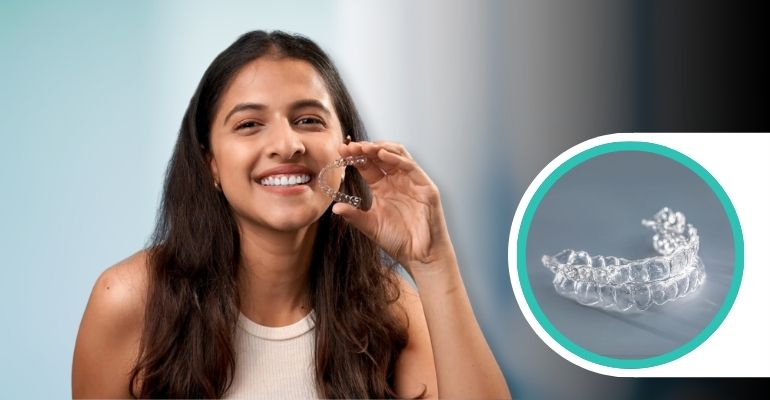
Following active treatment with clear aligners, patients receive bespoke retention devices designed to maintain their newly achieved alignment. These retainers are created using the same advanced scanning technology employed during treatment planning, ensuring a perfect fit that holds teeth securely in their corrected positions.
Integrated Monitoring and Adjustments
One of the significant advantages of clear aligner systems is the ability to incorporate retention planning into the overall treatment strategy. Practitioners can design final aligners that serve dual purposes, completing the final movements whilst simultaneously beginning the retention phase. This seamless transition helps teeth adapt gradually to their new positions, reducing the shock that can occur when switching abruptly from active treatment to retention only.
Furthermore, many clear aligner providers offer virtual monitoring systems that allow practitioners to track patient compliance and detect early signs of shifting. This proactive approach means that minor movements can be addressed promptly before they develop into significant relapse requiring additional treatment. The convenience of remote check-ins also encourages better patient engagement with retention protocols, as individuals feel supported throughout their post-treatment journey.
Biological Considerations and Patient Compliance
The success of any orthodontic treatment in preventing relapse ultimately depends on understanding the biological factors at play. Post-treatment tooth movement is influenced by numerous physiological factors that must be considered during treatment planning. Clear aligner therapy excels in this regard by allowing for gradual, physiologically appropriate tooth movements that respect the body’s natural healing processes and tissue remodelling capabilities.
Patient compliance remains a critical factor in preventing relapse, and clear aligner systems offer distinct advantages in this area. The removable nature of aligners, whilst requiring discipline during active treatment, makes long-term retainer wear more manageable for many patients. The aesthetic appeal and comfort of clear retainers often result in better adherence to retention schedules compared to traditional fixed or wire retainers.
Maintaining Your Perfect Smile for Life
Preventing orthodontic relapse requires a comprehensive approach that extends far beyond the completion of active treatment. Effective relapse prevention strategies combine proper treatment planning with diligent retention protocols and ongoing patient education. Modern clear aligner systems incorporate these elements into cohesive treatment frameworks that prioritise long-term stability alongside immediate aesthetic results.
By understanding the mechanisms of relapse and utilising advanced orthodontic technologies, patients can enjoy the confidence of a beautifully aligned smile that endures for years to come. The investment in orthodontic treatment deserves protection through conscientious retention practices and regular professional oversight, ensuring that the benefits achieved remain intact throughout one’s lifetime.