Key Innovations Driving Safer and Smarter Industrial Boiler Systems Today

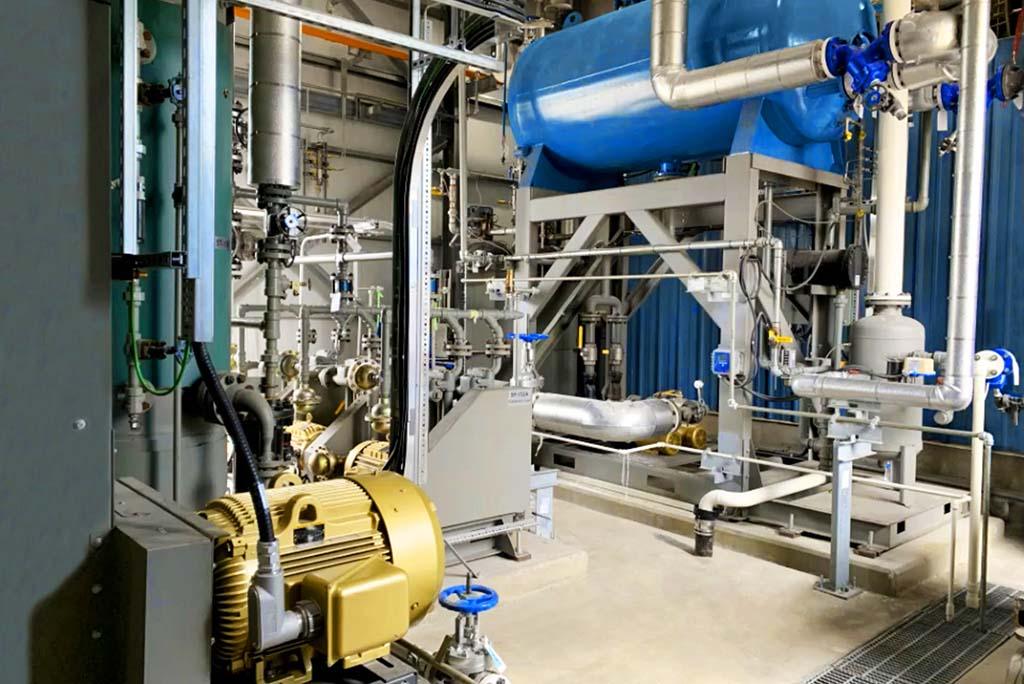
Industrial heating technology continues to advance through efficient engineering and safety improvements. Modern developments aim to provide higher performance while maintaining reliable operations across sectors. Companies now focus on creating designs that minimize risks and optimize resource use. Engineers adopt advanced control systems for steady output under variable demand conditions. The growth of automation allows better monitoring and predictive maintenance for long equipment life. Such constant development makes Industrial boiler companies the backbone of sustainable industrial operations across multiple production environments.

Advanced Technology Improving System Performance

Recent technologies have transformed how boilers operate in large production environments. These upgrades deliver consistent heat output and better control for safer performance.

  • Automated ignition control eliminates manual error and improves system consistency
  • Digital sensors provide real-time data to detect performance fluctuations instantly
  • Efficient fuel management reduces waste, ensuring higher operational cost savings
  • Improved heat exchangers increase energy recovery through optimized transfer design
  • Each improvement ensures better reliability while lowering operational stress on equipment.

Intelligent Control Systems Ensuring Consistency

Smart controls now regulate heating balance across multiple units precisely. This innovation has helped maintain temperature stability and reduce process disruptions significantly.

Automation Making Operations Seamless

Automated systems allow constant observation through data tracking and instant alerts. Predictive features help detect faults before they affect performance. Equipment now adjusts itself automatically for temperature balance and efficiency. This progress reduces manual dependency, ensuring safer and stable outcomes continuously.

Steam boiler industrial

How Do New Control Features Prevent Safety Risks?

Monitoring systems instantly adjust fuel levels to maintain steady operation. As these innovations expand, Industrial boiler companies now emphasize user protection alongside performance. Real-time response technology provides early detection, reducing the chance of unexpected failure or system breakdown.

Modern Materials Increasing Operational Strength

New construction materials improve durability and reduce heat loss through stronger insulation. These improvements allow units to withstand high temperatures for extended durations.

  • Advanced alloys reduce corrosion during long-term steam production cycles
  • Specialized linings prevent thermal fatigue under extreme process pressure
  • Enhanced insulation coatings help maintain energy within closed systems
  • Heat-resistant joints increase longevity under repetitive high-load conditions

These developments boost system lifespan and maintain energy efficiency effectively.

Performance Records and Process Data Overview

Operational performance shows continuous improvement due to these technologies.

Category Efficiency Rate Safety Improvement Downtime Reduction
Automated Systems 96% 90% 85%
Control Units 94% 88% 82%
Predictive Maintenance 95% 91% 87%
Energy Recovery 93% 86% 80%

This chart highlights improved operational reliability through integrated systems. Predictive tools and real-time analytics play crucial roles in minimizing issues. The results demonstrate reduced repair costs and higher production output simultaneously.

Helpful Queries and Information Section

  • How do Industrial boiler companies manage system testing before delivery?

Each unit undergoes multiple safety inspections before dispatch

  • What ensures durability in industrial heating systems?

Use of strong alloys and advanced coatings maintains structural stability

  • How often should units undergo maintenance checks?

Inspections are recommended after every consistent operational interval

Innovative Growth Defining Industry Future

Modern technology continues to shape safer heating systems through precise design and automation. Each development focuses on long-term reliability and energy savings. Integrated control systems deliver better output while protecting workers from risk. Predictive software ensures minimal downtime and extended machine performance.

Improving Long-Term Data Retention with Veeam Secure Backup Policies

Having right data retention practices is vital for following the rules, getting again on song after a crisis, and reflecting lower back on the past. Traditional backup strategies do not usually work particularly efficaciously when you need them to. This is in particular proper for security, scalability, and long-term verification. This is where Veeam Secure Backup Policies come into play. They give you a entire machine to assist you deal with the issues of maintaining data protected for a long time. By following best practices and the use of advanced features, organizations can also safely store and access their essential information for years, even decades, into the future.

Rightness of Policy

Set explicit time limits for keeping different types of data that are in line with the law and the needs of the organization.

  • To make sure that everyone in the backup system follows the same rules and to cut down on mistakes made by hand, automate policy enforcement.
  • Use backups that can’t be changed to keep archived data safe from being changed by accident or on purpose. This will make the data more trustworthy.
  • Encrypt sensitive data both when it is at rest and when it is in transit to keep it safe throughout its life cycle.

Use granular recovery options to quickly retrieve back either a single file or an entire system. This will help you spend less time down.

Veeam

Verified and Safe Storage

Regularly check to see if long-term backups can be restored by using automated testing and validation methods.

  • Use Veeam Sure Backup technology to run recovery tests in a different environment to make sure that programs work and data is safe.
  • Check the status of backup tasks and how much storage they use ahead of time to find and fix problems before they affect retention.

Following the rules and checking them

Use role-based access control to limit who can change or delete long-term backup rules and data.

  • To follow strict rules for preserving records and making sure that data is correct, make sure that it can’t be changed and that there are several copies of it.
  • You should examine and change your retention policy on a regular basis to keep up with the changing needs and requirements of your firm.

Give your information lasts

Veeam Secure Backup Policies are a safe and trustworthy way to keep data for a long time. Businesses may safely maintain their important data for years to come, no matter what problems come up, by adding robust security measures, several storage options, and full auditing capabilities.

Proactive Disaster Recovery Built To Minimize Downtime And Maximize System Availability

Being ready, not reacting, is what keeps a business going. With Veeam, proactive disaster recovery becomes a planned approach instead of a last-minute scramble. Your systems will stay up and safe thanks to quick responses, clever automation, and monitoring in real time. It’s about getting rid of the unknowns and staying ahead of possible problems.

Reduce Response Time Gaps

Real-time insight and automatic actions are what make quick recovery possible.

  • Keep an eye on systems with smart warnings and limits
  • Automate failover to speed up decision-making
  • Put recovery levels in order of importance for workloads that are vital to the business

To act quickly, you need to know what to protect and when to do it.

Veeam

Centralize Backup And Recovery

Unified tools make it easier to control things across different platforms and environments.

  • Control both virtual and physical backups from a single dashboard
  • Add cloud-native applications to the recovery ecosystem
  • Use replication to constantly replicate high-value assets

With Veeam, restoring is as easy as it is safe, no matter how complicated it is.

Validate And Optimize Continuity

Testing and performance checks keep your plan functional—not just theoretical.

  • Test failovers without affecting production
  • Regularly check the integrity of backup files
  • Use built-in reporting to keep track of recovery goals

Before something bad happens, proactive validation makes your recovery position stronger.

Is Testing Really Necessary?

Can I skip disaster recovery testing if my backups are reliable? No. Testing shows that things work, finds problems, and makes sure that procedures work as they should when there is a lot of strain.

Availability Without Compromise

High availability isn’t a choice; it’s a must-have. Proactive catastrophe recovery gives you back control, making recovery not just viable but also exact. When you have the correct tools and plans, uptime is no longer a question; it’s a given.

Specialists in certain areas can advance their careers as bodyguards.

Guardians, otherwise called close assurance officials, are experts who shield individuals from the loss of classified data and actual dangers like death, attack, badgering, seizing, and following. These profoundly prepared bodyguards in London workforces are utilized by high-profile, well-known individuals like government officials, famous actors, proficient competitors, and VIPs.

The essential obligation of guardians is surveying security dangers and giving vital safety efforts. For example, bodyguards in London utilized by multi-specialist units might need to perform shifted errands like correspondence insurance, investigation, evaluation of hazard, danger, and weakness, recognition of synthetic compounds and explosives, and the activity of various safety efforts, as well as horde screening and control.

People wishing to become guardians need to have secondary school instruction. A tactical foundation or information on policing is best. Preceding turning into an expert guardians, up-and-comers should go through thorough preparation. These projects show understudies’ emergency treatment, outfitted and unarmed battle procedures, and gun strategies. A few courses likewise center around combative techniques preparation. Various schools and colleges in the United States offer courses in this field.

Notwithstanding these capabilities and preparation phases, protectors must gang the specific characteristics. A guardian should have the option to identify dubious developments initially, be ready for hand-to-hand battle, have significant areas of strength for an obligation, and be OK with using guns. Valor and mental fortitude are the most urgent parts of a guardian’s mind. Beyond these, a guardian should be in a brilliant state of being.

Offices that enlist protectors to search for applicants in great shape have insight into guns and know self-preservation methods. Business open doors are, in many cases, publicized in papers and occupation entryways on the Internet. One can likewise straightforwardly move toward security administration organizations for appropriate employment opportunities.

Protectors can propel their professions by deciding to have some expertise in specific regions. For example, with additional preparation, guardians can become security experts employed to safeguard clients in both unarmed and equipped circumstances and keep command over the case until legitimate specialists can show up at the spot. As of late, web security preparation has likewise become well known due to the rising pace of digital wrongdoing.

Why Composite Bonding Requires Less Tooth Preparation Than Traditional Cosmetic Treatments

The Evolution of Conservative Cosmetic Dentistry

The landscape of cosmetic dentistry has undergone a remarkable transformation over the past few decades, shifting from invasive procedures that required significant alteration of natural tooth structure to more conservative approaches that prioritise preservation. At the forefront of this revolution stands composite bonding, a treatment that exemplifies the modern philosophy of minimal intervention whilst delivering exceptional aesthetic results. Unlike traditional cosmetic treatments such as porcelain veneers or crowns, which often necessitate the removal of substantial amounts of healthy enamel, composite bonding offers a gentler alternative that respects the integrity of one’s natural teeth.

Understanding why composite bonding requires considerably less tooth preparation begins with examining the fundamental differences between this technique and its more invasive counterparts. Traditional veneers, for instance, typically require the removal of approximately 0.5 to 0.7 millimetres of enamel from the tooth surface to accommodate the restoration and achieve a natural appearance. This irreversible process commits patients to a lifetime of maintaining these restorations, as the prepared teeth will always require coverage. In contrast, composite bonding Bournemouth practitioners and dental professionals worldwide can often apply directly to the existing tooth structure with minimal or even no preparation at all.

The Science Behind Minimal Preparation

Adhesive Technology Advances

The remarkable capability of composite bonding to adhere directly to natural tooth enamel represents one of the most significant advances in dental materials science. Modern bonding agents create a chemical and mechanical bond with the tooth surface that is extraordinarily strong and durable. This adhesive technology eliminates the need for the mechanical retention features that traditional restorations require, such as the undercuts and specific preparation designs necessary for crowns and conventional veneers. The composite resin material itself possesses unique properties that allow it to be layered and sculpted directly onto teeth, building up rather than cutting away.

Preservation of Enamel Structure

Dental enamel represents the hardest substance in the human body, and its preservation is paramount to long-term oral health. When dentists perform this minimally invasive dental solution, they work with the existing tooth structure rather than against it. The process typically involves only light etching of the enamel surface to create microscopic irregularities that enhance bonding strength. This stands in contrast to the reduction required for porcelain veneers, where some healthy tooth structure must be sacrificed to create space for the restoration.

Comparing Treatment Approaches

Traditional Veneers and Crowns

Traditional porcelain veneers and full-coverage crowns have long been considered the gold standard for dramatic smile transformations, yet they come at a considerable cost to natural tooth structure. The preparation process for these restorations requires precise reduction of the tooth on multiple surfaces, often under local anaesthetic due to the extent of tooth removal. Dentists must create specific angles and margins to ensure proper fit and retention of the laboratory-fabricated restoration. This invasive approach, whilst producing excellent results, permanently alters the tooth and creates a dependency on maintaining the restoration indefinitely.

The Composite Bonding Difference

Composite bonding operates on an entirely different principle, one that aligns with contemporary minimally invasive cosmetic dentistry techniques that prioritise tooth conservation. The procedure involves applying tooth-coloured composite resin directly to the existing tooth surface, where it is carefully shaped and polished to achieve the desired aesthetic outcome. In many cases, teeth require absolutely no preparation beyond cleaning and etching. When minor reshaping is necessary, it typically involves only superficial smoothing rather than significant reduction, preserving the vast majority of natural tooth structure for future dental health.

Clinical Advantages of Conservative Preparation

The benefits of minimal tooth preparation extend far beyond simple preservation of enamel. Patients who choose composite bonding typically experience reduced sensitivity compared to those undergoing traditional veneer preparation, as the dental pulp remains well-protected by intact tooth structure. The reversibility of the treatment offers considerable peace of mind; should circumstances change or aesthetic preferences evolve, composite bonding can be modified or removed without the permanent consequences associated with prepared teeth. Additionally, the conservative nature of the procedure often eliminates the need for temporary restorations and multiple appointments, as minimally invasive smile transformations with composite bonding can frequently be completed in a single visit.

Embracing Conservative Cosmetic Solutions

The dental profession’s shift towards conservative treatment philosophies reflects a deeper understanding of long-term oral health outcomes and patient wellbeing. Composite bonding exemplifies this progressive approach, offering patients the opportunity to enhance their smiles whilst preserving the natural tooth structure that serves them best throughout their lives. As materials and techniques continue to advance, the gap between aesthetic excellence and tooth preservation continues to narrow, making minimally invasive options increasingly attractive for those seeking cosmetic improvements without compromise.

Pioneering Pain-Free Procedures: The New Era of Dental Implants

The Revolutionary Transformation of Modern Dentistry

The landscape of dental care has undergone a remarkable transformation, particularly in the realm of dental implants in Plymouth. What was once considered a daunting prospect for patients has evolved into a sophisticated, comfortable experience that prioritises both efficacy and patient wellbeing. The modern dental implant procedure represents one of the most significant advances in oral healthcare, offering individuals the opportunity to restore their smiles without the traditional discomfort associated with dental interventions.

Contemporary dental practices have embraced cutting-edge technologies and refined techniques that have fundamentally altered the patient experience. These innovations have made it possible for individuals to undergo comprehensive dental restoration with minimal discomfort, challenging long-held perceptions about dental procedures. The integration of advanced anaesthetic protocols, precision-guided surgical techniques, and state-of-the-art equipment has created an environment where patient comfort takes centre stage throughout the entire treatment process.

Understanding the Science Behind Comfortable Implant Procedures

The success of modern pain-free implant procedures lies in the meticulous approach to patient care and the application of scientific principles. Advanced imaging technologies allow dental professionals to plan procedures with unprecedented precision, reducing treatment time and minimising tissue disruption. This careful planning phase ensures that each implant is positioned optimally, contributing to both the success of the procedure and the comfort of the patient.

Advanced Anaesthetic Techniques

Modern anaesthetic protocols have revolutionised the way patients experience dental procedures. The development of more effective local anaesthetics, combined with refined delivery methods, ensures that patients remain comfortable throughout their treatment. These techniques include computer-controlled anaesthetic delivery systems that regulate the flow and pressure of anaesthetic agents, providing more consistent and comfortable numbing effects.

Pioneering Pain-Free Procedures: The New Era of Dental Implants

Sedation options have also expanded significantly, offering patients various levels of relaxation during their procedures. From mild conscious sedation to deeper sedation techniques, dental professionals can now tailor the experience to meet individual patient needs and anxiety levels. For those seeking dental implants, these advanced comfort measures represent a significant improvement over traditional approaches.

Minimally Invasive Surgical Approaches

The evolution towards minimally invasive techniques has been instrumental in reducing post-operative discomfort and accelerating healing times. Flapless surgery techniques, where possible, eliminate the need for extensive tissue manipulation, resulting in less swelling, reduced bleeding, and faster recovery periods. These approaches utilise precise surgical guides and specialised instruments that allow for accurate implant placement through small, carefully planned incisions.

The Technology Behind Modern Comfort

Digital dentistry has emerged as a cornerstone of contemporary implant procedures, offering unprecedented precision and predictability. Three-dimensional imaging systems provide detailed anatomical information that enables practitioners to visualise bone structure, nerve pathways, and optimal implant positioning before making the first incision. This comprehensive planning approach significantly reduces surgical time and enhances patient comfort throughout the procedure.

Computer-aided design and manufacturing technologies have streamlined the entire treatment process. Digital impressions eliminate the need for traditional moulds, whilst custom surgical guides ensure precise implant placement. These technological advances contribute to a more comfortable experience and superior clinical outcomes for patients seeking tooth replacement solutions.

Enhanced Recovery Protocols

Post-operative care has been revolutionised through evidence-based recovery protocols that prioritise patient comfort and healing optimisation. Anti-inflammatory medications, when prescribed appropriately, help manage any minor discomfort whilst supporting the natural healing process. Modern practices often provide detailed post-operative instructions and follow-up care that ensures patients experience smooth recoveries.

Nutritional guidance and lifestyle recommendations further support the healing process, helping patients return to their normal activities more quickly. Many specialised pain-free dental practices now offer comprehensive support systems that guide patients through every stage of their treatment journey.

The Future of Comfortable Dental Care

The commitment to pain-free dentistry continues to drive innovation within the field. Research into new materials, techniques, and technologies promises even greater comfort and efficiency in future treatments. Leading implant dentistry centres are constantly evaluating emerging technologies to enhance patient experiences further.

Professional development and continuing education ensure that dental teams remain at the forefront of comfortable treatment delivery. Many practitioners now specialise exclusively in comfort-focused approaches, with pain-free dental specialists leading the way in developing new protocols and techniques.

Embracing a New Standard of Care

The transformation of dental implant procedures represents a significant milestone in healthcare evolution. Patients can now approach tooth replacement with confidence, knowing that modern techniques prioritise their comfort and wellbeing. This new era of dentistry has successfully challenged traditional perceptions, creating opportunities for individuals to restore their oral health without apprehension. The continued advancement of pain-free procedures ensures that quality dental care remains accessible and comfortable for all patients seeking to improve their oral health and overall quality of life.

Exploring the Artistic Craft of Dental Restoration

The Convergence of Science and Artistry in Modern Dentistry

In the heart of modern dentistry lies a fascinating blend of scientific precision and artistic flair that transforms damaged smiles into works of functional art. Dental restoration has evolved far beyond the simple filling of cavities, emerging as a sophisticated discipline where a dentist Borehamwood must master both the technical aspects of oral health and the aesthetic principles that create naturally beautiful results. This intricate craft requires an understanding of colour theory, facial symmetry, and material science, all whilst maintaining the fundamental goal of restoring optimal dental function.

The contemporary dental professional approaches each restoration as a unique canvas, considering factors such as the patient’s facial structure, skin tone, and natural tooth characteristics. Whether working with composite resins, porcelain, or advanced ceramic materials, the practitioner must possess an artist’s eye for detail and proportion. Every restoration tells a story of meticulous planning, where digital imaging and traditional craftsmanship converge to create results that are virtually indistinguishable from natural teeth.

The Technical Mastery Behind Beautiful Restorations

Modern dental restoration encompasses a remarkable array of procedures, each requiring specific technical skills and artistic sensibilities. Various types of dental restoration procedures demonstrate the breadth of techniques available to today’s practitioners, from simple composite fillings to complex full-mouth reconstructions that can transform a patient’s entire appearance.

The process begins with careful assessment and planning from a, where practitioners evaluate not only the structural damage but also the aesthetic requirements of each case. Advanced imaging technology allows for precise measurements and digital mock-ups, enabling both practitioner and patient to visualise the final result before treatment begins. This technological integration has revolutionised the field, allowing for predictable outcomes that consistently meet both functional and aesthetic expectations.

Material Selection and Artistic Vision

The choice of restoration material represents a critical decision point where science meets artistry. Porcelain veneers offer exceptional translucency and colour stability, whilst composite resins provide versatility and the ability to make chairside adjustments. Each material possesses unique characteristics that influence both the treatment approach and the final aesthetic outcome, requiring practitioners to understand not only their technical properties but also their visual behaviour under different lighting conditions.

The Psychology of Smile Design

Beyond the technical aspects, successful dental restoration requires an appreciation for the psychological impact of smile design. Practitioners must consider how subtle variations in tooth shape, size, and positioning can dramatically alter a patient’s appearance and self-confidence. The golden ratio, facial midlines, and the principles of symmetry all play crucial roles in creating restorations that enhance rather than merely replace natural dental structures.

The artistry extends to understanding how different tooth characteristics convey age, personality, and vitality. Younger teeth typically display more translucency at the incisal edges, whilst mature teeth may show more characterisation and colour variation. Achieving natural-looking dental restorations requires this nuanced understanding of how teeth naturally age and wear, allowing practitioners to create restorations that appear authentic within the context of each patient’s unique smile.

Innovation and Tradition in Restorative Practices

The field continues to evolve with technological advances such as CAD/CAM systems, 3D printing, and digital colour matching. These innovations have streamlined many processes whilst maintaining the artistic elements that distinguish exceptional work from merely adequate results. However, the fundamental principles of colour, form, and function remain unchanged, requiring practitioners to balance cutting-edge technology with time-tested aesthetic principles.

Contemporary practices, including those offered by a skilled dental team demonstrate how modern techniques can achieve remarkable results whilst preserving the artisanal aspects of the craft. The integration of digital workflows with traditional hand-finishing techniques allows for both efficiency and artistic refinement, ensuring that each restoration meets the highest standards of both form and function.

Training in dental restoration increasingly emphasises this artistic dimension, with practitioners studying photography, colour theory, and even sculpture to enhance their aesthetic sensibilities. The balance between artistry and dental restoration science requires ongoing education and refinement of skills that extend well beyond traditional dental training.

The Future of Restorative Artistry

As dental restoration continues to evolve, the marriage of art and science becomes ever more sophisticated. The future promises even greater precision and aesthetic possibilities, yet the fundamental requirement for artistic vision and skilled craftsmanship remains constant. This enduring combination ensures that dental restoration will continue to transform lives through the careful application of both scientific knowledge and artistic excellence, creating smiles that are truly works of functional art.

Veneers: Elevating Dental Wellness with Natural Materials

Understanding the Beauty of Dental Veneers

The world of cosmetic dentistry has witnessed remarkable transformations over recent decades, with dental veneers Balwyn, emerging as one of the most sought-after treatments for enhancing smiles. These wafer-thin shells, carefully crafted to cover the front surface of teeth, represent a harmonious blend of artistry and science. When considering comprehensive veneer treatments and natural cosmetic dentistry approaches, patients discover a pathway to achieving their desired smile while maintaining the integrity of their natural teeth.

Modern veneers have evolved significantly from their early iterations, now offering patients an opportunity to address various dental concerns through minimally invasive procedures. From correcting minor misalignments to addressing discolouration, chips, or gaps between teeth, veneers provide a versatile solution that can dramatically transform one’s appearance. The beauty of contemporary veneer technology lies in its ability to mimic the natural translucency and texture of tooth enamel, creating results that appear authentically beautiful.

Natural Materials Leading the Way

The materials used in modern veneer construction have undergone substantial improvements, with porcelain remaining at the forefront of natural-looking options. High-quality porcelain veneers possess optical properties remarkably similar to natural tooth enamel, allowing light to pass through them in much the same way as it would through genuine teeth. This characteristic ensures that veneers blend seamlessly with surrounding natural teeth, creating a cohesive and harmonious smile.

Ceramic materials have also gained prominence in veneer fabrication, offering durability while maintaining aesthetic appeal. These materials resist staining from common culprits such as coffee, tea, and wine, helping patients maintain their enhanced smiles for years to come. The biocompatible nature of these materials means they integrate well with the oral environment, reducing the likelihood of adverse reactions or complications.

The Artistry Behind Veneer Design

Creating beautiful veneers requires a thorough understanding of facial aesthetics, tooth proportions, and individual patient characteristics. Dental professionals must consider factors such as face shape, lip line, gum display, and existing tooth colour when designing veneers. This personalised approach ensures that each set of veneers complements the patient’s unique features rather than creating an artificial or uniform appearance.

The process typically involves detailed planning, including digital imaging and mock-ups, allowing patients to visualise their potential results before treatment begins. For those seeking veneers, they can explore various options that cater to their specific needs and aesthetic goals.

Preserving Natural Tooth Structure

One of the most compelling aspects of modern veneer procedures is the emphasis on preserving natural tooth structure. Contemporary techniques require minimal tooth preparation, often removing less than a millimetre of enamel from the tooth surface. This conservative approach maintains the strength and vitality of the underlying tooth whilst providing sufficient space for the veneer to achieve optimal aesthetics and function.

The bonding process itself has been refined to create incredibly strong connections between the veneer and natural tooth. Advanced adhesive systems form molecular bonds that can withstand the forces of normal chewing and speaking, ensuring longevity and reliability. This technological advancement means patients can enjoy their enhanced smiles with confidence in their durability.

Maintaining Your Investment in Dental Wellness

Proper care and maintenance play crucial roles in maximising the lifespan of dental veneers. Regular brushing with non-abrasive toothpaste, daily flossing, and routine dental check-ups help preserve both the veneers and the surrounding natural teeth. Patients should avoid using their teeth as tools and consider wearing a protective guard during sleep if they tend to grind or clench their teeth.

Professional cleaning appointments allow dental practitioners to monitor the condition of veneers and address any concerns before they develop into more significant issues. Advanced porcelain veneer techniques continue to evolve, offering improved longevity and aesthetic outcomes for patients seeking smile enhancement.

The Psychological Benefits of Enhanced Smiles

Beyond the obvious aesthetic improvements, veneers can significantly impact an individual’s confidence and social interactions. Many patients report feeling more comfortable in professional and social situations after receiving veneer treatment. This psychological boost often translates into improved quality of life and enhanced self-esteem.

The natural appearance achieved through quality veneers allows patients to smile, laugh, and speak with renewed confidence. Professional dental veneer services focus on creating results that look and feel natural, ensuring patients can enjoy their enhanced smiles without self-consciousness.

Looking Forward to Enhanced Dental Wellness

Dental veneers represent a remarkable fusion of natural materials, advanced technology, and artistic vision. For individuals considering smile enhancement, dental professionals worldwide continue to refine techniques that prioritise both aesthetics and oral health. The journey towards an enhanced smile through veneers offers patients the opportunity to invest in their dental wellness while achieving the confident, natural-looking results they desire. Through careful planning, quality materials, and proper maintenance, veneers can provide lasting improvements that enhance both appearance and overall dental health for years to come.

Affordable Business Signs Designed For Maximum Street Level Impact

Visibility plays a measurable role in shaping business recall. A well-structured sign reflects reliability, function, and clear brand identity across physical reach. Strategic composition enhances visibility even under changing environmental conditions. Local businesses using custom signs mackay benefit from greater audience recognition through disciplined placement and structured design execution.

Structured Approach Enhances First Impressions

Effective signage relies on readability, spacing, and placement accuracy. Each factor controls how quickly a message reaches public observation. Businesses prioritize efficient contrast and dimension ratios for maintaining clarity under continuous movement.

A clear font hierarchy defines message balance. Consistency in spacing improves ease of interpretation. With predictable color segmentation, visual retention becomes faster, giving viewers instant understanding during limited view durations.

Design Variables That Drive Public Attention

Street-level communication requires measured control of contrast, layout, and proportion. These elements influence dwell time and message retention effectively.

  • Contrast clarity enhances public message processing speed
  • Balanced element spacing improves coordinated readability flow
  • Font width management stabilizes message presentation quality
  • Structured material choice withstands extended exposure time
  • Scalable templates ensure seamless replication efficiency
  • Dimensional layout variations enable optimized local targeting

When layout balance meets visibility control, overall recall performance rises naturally. A calculated combination of these variables supports long-term impression consistency, allowing brands to reach peak engagement durability.

How Do Signs Affect Customer Conversion?

Signage functions as an initial conversion filter before customers enter any transaction stage. It conveys trustworthiness and reliability through design discipline and structured layout control. Businesses with accurate signage positioning often experience stronger inquiry flow from nearby traffic sources.

The correlation between well-planned design and user attention remains verifiable. Signage influences the subconscious evaluation that customers perform before direct engagement. Thus, every centimeter of visual clarity holds tangible business value across long-range operations.

Material And Structural Configuration Stability

Durability in sign design supports operational longevity. The composition elements—coating, thickness, and fixation strength—determine usage viability under high throughput conditions. Designs reflecting measured construction standards align with expected local environment patterns.

  • Coating balance ensures moisture resistance integrity
  • Base reinforcement supports vertical installation stability
  • Ultraviolet protection prevents surface texture wear
  • Reflective layering maintains illumination clarity
  • Modular framework eases periodic component replacement
  • Verified fasteners improve total mounting reliability

With every specification adhering to controlled accuracy, overall service life extends naturally. Partners producing through regulated practices like custom signs mackay maintain reliable consistency across repeat installations.

What Should Small Businesses Prioritize Most?

Smaller establishments should focus on affordability balanced with quality. A well-calculated design doesn’t depend on excess decoration but on proportion, legibility, and material steadiness. Practicality ensures scalability without overspending on non-essential visual embellishments.

Establishing realistic maintenance intervals also prevents operational setbacks. Regular evaluations confirm whether lighting alignment, frame endurance, and print contrast remain intact, enabling consistent brand perception throughout long-term display periods.

How Does Placement Strategy Improve Exposure?

Placement choice determines both distance readability and exposure intensity. Businesses evaluate factors such as traffic data, structure angle, and lighting proximity before installation. Each alignment impacts measurable reach ratios over daily observation hours.

Controlled placement avoids message distortion while preserving intended size-to-distance proportion. Data-backed adjustment cycles refine positioning across seasonal shifts, ensuring every observed frame delivers intended recall reliability.

Signage Consistency Builds Measurable Presence

Maintaining identical typography and proportional dimensions across multiple installations fosters recognition stability. Each sign reinforces the previous instance, ultimately forming unified brand identity through repetition recognition.

Over time, this harmony contributes to established visibility patterns that audiences identify instinctively. Structured signage networks preserve commercial credibility while conveying uniform presentation values across environments. Consistency transforms local exposure into dependable community-level identity.

The Subtle Art of Enhancing Patient Confidence Through Dental Expertise

Building Trust Through Professional Excellence

The relationship between a dentist Coorparoo and their patients extends far beyond routine examinations and treatments. At its core lies a delicate balance of technical skill, empathetic communication, and the ability to instil confidence in those seeking care. When patients walk through the doors of a dental practice, they often carry with them years of apprehension, past experiences, and vulnerability about their oral health. The manner in which dental professionals address these concerns can fundamentally transform not only the treatment outcomes but also the patient’s entire perception of dental care.

Modern dentistry has evolved into a sophisticated field where technical proficiency must seamlessly blend with psychological understanding. Patients today are more informed and discerning, seeking practitioners who can demonstrate not only clinical competence but also genuine care for their wellbeing. This shift has created an environment where dental professionals must cultivate multiple skills simultaneously: staying abreast of technological advances, maintaining clinical excellence, and developing the interpersonal abilities necessary to guide patients through their treatment journeys with confidence.

The Psychology Behind Patient Apprehension

Understanding the root causes of dental anxiety provides valuable insight into how practitioners can better serve their patients. Fear of pain, past traumatic experiences, loss of control, and embarrassment about oral health conditions all contribute to the complex emotional landscape that patients navigate when seeking dental care. These psychological barriers can significantly impact treatment outcomes, as anxious patients may delay necessary procedures, experience heightened sensitivity, or struggle to follow post-treatment instructions.

Research demonstrates that patient confidence correlates directly with treatment success rates and long-term oral health outcomes. When individuals feel secure in their practitioner’s abilities and trust the treatment process, they are more likely to maintain regular appointments, adhere to preventive care recommendations, and approach dental health proactively rather than reactively. This understanding has led many practices, including those with a dentist in Coorparoo residents trust, to prioritise patient-centred approaches that address both clinical and emotional needs.

Communication as a Cornerstone

Clear, compassionate communication forms the foundation upon which patient confidence is built. This involves more than simply explaining procedures; it requires active listening, acknowledging concerns, and providing information in accessible language. Improving communication between dental practitioners and patients has become increasingly recognised as essential for successful treatment outcomes and patient satisfaction.

The physical environment of a dental practice plays a crucial role in shaping patient perceptions and comfort levels. Modern practices understand that creating a welcoming atmosphere extends beyond clinical functionality to encompass elements that promote relaxation and trust. From the reception area to the treatment rooms, every aspect of the patient experience contributes to their overall confidence in the care they receive. Thoughtful design choices, clear signage, and attention to cleanliness all communicate professionalism and care for patient wellbeing.

Technology and Transparency

Contemporary dental technology offers unprecedented opportunities to enhance patient understanding and involvement in their treatment. Digital imaging, intraoral cameras, and computer-aided diagnostics allow practitioners to show patients exactly what they are experiencing, transforming abstract concepts into tangible realities. This visual approach helps demystify dental procedures and enables patients to make informed decisions about their care. When individuals can see and understand their oral health status, they become active participants rather than passive recipients of treatment.

The integration of advanced techniques and equipment also demonstrates a practice’s commitment to providing current, evidence-based care. Patients often associate technological sophistication with quality, and practices that invest in modern equipment signal their dedication to optimal outcomes. However, technology must be balanced with human touch – the most advanced equipment cannot replace the reassurance that comes from genuine practitioner concern and attention.

Supporting Team Dynamics

The entire dental team contributes to patient confidence, from reception staff who provide the first point of contact to dental assistants who offer comfort during procedures. How dental assistants enhance patient retention and satisfaction highlights the significant impact that support staff have on the overall patient experience. Each team member plays a role in creating an environment where patients feel valued, understood, and cared for throughout their visit.

Consistent training and development ensure that all team members can contribute meaningfully to patient confidence. This includes technical skills, communication abilities, and understanding of patient psychology. When the entire team works cohesively towards patient comfort and satisfaction, the result is a practice environment that naturally builds trust and confidence.

Fostering Long-term Dental Wellness

The ultimate goal of building patient confidence extends beyond individual appointments to encompass long-term oral health outcomes. How dental care contributes to overall confidence and wellbeing demonstrates the far-reaching impact of quality dental treatment. When patients feel confident in their dental care, they are more likely to maintain regular preventive appointments, address issues promptly, and view oral health as an integral component of their overall wellness. This proactive approach ultimately leads to better outcomes, reduced treatment complexity, and enhanced quality of life for patients across all demographics and treatment needs.

Any surgical or invasive procedure carries risks. Before proceeding you should seek a second opinion from an appropriately qualified health practitioner.

Quiet systems that keep homes running without daily worry

Most people only think about plumbing when something feels off. A tap that drips through the night. Water pressure that suddenly drops. A drain that takes longer than it should. These small signs often appear before bigger problems. That is usually when plumber gympie becomes part of the conversation, not because of an emergency, but because comfort and confidence inside the home have started to slip.

How plumbing supports unnoticed comfort

Plumbing works in the background from morning to night. When it runs smoothly, nobody notices it at all.

  • Water flows consistently from every tap
  • Showers feel reliable and balanced
  • Toilets work without second thoughts
  • Appliances connect without leaks or noise

This steady performance allows people to focus on life rather than maintenance.

Early signs that attention may be needed

Small changes often signal bigger issues later. Spotting them early prevents stress.

  • Slow draining sinks
  • Unusual sounds in pipes
  • Fluctuating water pressure
  • Damp smells or hidden moisture

Addressing these signs early helps avoid sudden disruptions.

Preventive care for smoother routines

Regular checks often feel unnecessary until they are skipped. Preventive care keeps systems reliable.

  • Identifying wear before failure
  • Reducing the chance of leaks
  • Keeping pressure consistent
  • Extending system lifespan

This approach protects both comfort and the home itself.

Water flow reliability and daily confidence

Reliable water access shapes confidence in a home. When flow is steady, daily routines feel predictable.

  • Cooking becomes easier
  • Cleaning feels less frustrating
  • Personal care routines stay smooth
  • Guests feel comfortable using facilities

Consistency removes mental stress people often do not realise they carry.

Choosing timely fixes over sudden stress

Delaying repairs usually increases inconvenience later. What begins as a small issue can grow quietly.

  • Minor leaks become surface damage
  • Blockages worsen with time
  • Pressure issues strain appliances
  • Emergency repairs disrupt routines

Timely fixes protect comfort and reduce long term costs.

How plumbing affects home hygiene

Clean water and proper drainage support a healthy living space.

  • Prevents water stagnation
  • Reduces mould risk
  • Supports clean surfaces
  • Maintains safe waste removal

These factors influence wellbeing more than most people expect.

The importance of clear communication

Plumbing issues can feel confusing. Clear explanations reduce stress during repairs.

  • Understanding what needs fixing
  • Knowing what to expect next
  • Feeling informed rather than rushed
  • Trusting the process

Clarity builds confidence throughout the experience.

Long term benefits of steady maintenance

Well maintained systems age more gracefully. Homes feel easier to live in over time.

  • Fewer surprise breakdowns
  • Lower repair frequency
  • Better appliance performance
  • Higher overall reliability

Maintenance supports peace of mind long after the work is done.

Plumbing that blends into everyday life

The best systems disappear into routine. They do not demand attention or adjustment. They simply work.

That quiet reliability is what homeowners value most.

Over time, plumber gympie becomes associated with prevention rather than panic. When plumbing is cared for properly, homes feel settled and dependable. Water flows when it should, drains clear without effort, and daily life continues without interruption. That quiet support is what turns basic systems into long term comfort.

Flavors in Magic Mushroom Vape Pens Explored

A growing interest surrounds aromatic blends and smooth inhaling options, especially for those exploring newer vaping alternatives. The mushroom vape draws attention for merging innovation and curiosity into one device concept. These pens merge innovation with simplicity, offering pleasing scents through compact vapor systems designed to deliver consistency. Many wonder how flavor combinations shape the entire vaping style while emphasizing convenience. The experience depends on essential elements such as extract purity, vapor density, and infused aromas.

What influences flavor strength

Flavor strength depends on extract purity, temperature, and vapor setting. Each parameter refines the taste texture based on personal control preferences, which users adjust carefully to balance smoothness.

How do natural essences affect the taste?

Natural essences play an important role in enhancing the vapor’s scent through fruit extracts, herbs, or floral oils carefully blended for balanced and pleasant aromatic results within vapor clouds.

mushroom vape

Why is vapor quality vital?

Vapor quality determines satisfaction levels. A rich cloud ensures deeper flavor contrast. Thin vapor, however, limits essence carryover, reducing overall appeal despite balanced ingredient selection, proving vapor density is vital.

What makes aroma blending special

Aroma blending involves mixing distinct oils for layered results. It creates unique taste experiences through measured ratios that deliver longer-lasting smooth flavors without overpowering base extracts during inhalation.

How does heat adjustment help control flavor

Heat level delivers noticeable differences, guiding concentration outcomes effectively for better vapor balance and aroma sustainability, which most enthusiasts value when exploring sequential vapor strength transitions during active inhalation sessions.

What determines smooth vapor delivery

Smooth vapor depends on even heating distribution across absorbing materials that preserve consistency, minimize uneven burning, and enhance performance through continuous airflow supporting stable vapor concentrations during each inhaling process.

How do device materials shape results?

Material quality impacts taste transition. Premium coils retain heat evenly and prevent resin buildup, supporting flavor freshness across repeated sessions through controlled vapor heat distribution efficiency each time.

Which qualities improve flavor balance

A few points clarify how balanced flavor outcomes emerge for reliable mushroom vape devices producing smooth emissions:

  • Quality materials ensure consistent vaporization during steady heating for longer inhaling sessions satisfaction with balanced taste depth.
  • Controlled heat levels maintain perfect aromatic integrity through equal essence transition phases, preventing unwanted residue development during continuous vapor activity.
  • Aroma layering enhances multiple flavor notes simultaneously with well-blended oil infusions, creating diverse inhaling experiences throughout each use.

Balanced ratios of essences and vapor density create memorable results for those using controlled devices. Regular care maintains flavor vitality, ensuring consistency through equal heating precision. Every small detail within the system affects the sensation through smooth transitions designed for reliability. When each portion merges harmony and temperature balance, mushroom vape users can sustain satisfying aromatic experiences that feel seamless during every use.

Reimagining Dental SEO with Intuitive Patient Interactions

Transforming Digital Dental Marketing

In today’s digital landscape, dental SEO has evolved beyond simple keyword optimisation to become a sophisticated approach to connecting dental practices with potential patients. The modern dental practice must navigate an increasingly complex online environment while maintaining a personal touch that resonates with its community.

Understanding the Patient Journey

The digital patient journey begins long before someone books an appointment. Modern dental practices are discovering that effective dental practice optimisation strategies must align with how patients search for and evaluate dental services online. This understanding has led to a fundamental shift in how dental practices approach their digital presence.

Key Elements of Patient-Focused SEO

Several critical components contribute to a successful dental practice’s online visibility:

  • Natural language content that addresses patient concerns
  • Location-based optimisation for community engagement
  • Mobile-friendly website design for convenient access
  • Patient testimonials and social proof integration

Dental SEO

Creating Meaningful Digital Connections

Modern dental practices are discovering that successful online marketing goes beyond traditional SEO techniques. By focusing on creating genuine connections through digital channels, practices can build trust and authority in their local communities. This approach involves understanding patient needs and crafting content that directly addresses their concerns and questions.

Leveraging Local Search Signals

Local search optimisation has become increasingly important for dental practices. Implementing effective local SEO strategies for dentists involves careful attention to geographical relevance and community engagement. This includes maintaining accurate business listings, encouraging patient reviews, and creating location-specific content that resonates with the local audience. The integration of these elements creates a robust foundation for dental practices looking to enhance their online presence. By focusing on patient-centric content and local search signals, practices can create a more engaging and effective digital strategy that drives meaningful results.

Optimising Patient Communication Channels

Effective communication channels are essential for dental practices seeking to enhance their online presence. This includes developing comprehensive content strategies that address common patient concerns and questions. By providing valuable information through various digital touchpoints, practices can establish themselves as trusted authorities in their field.

Content Strategy Development

A well-planned content strategy should encompass various aspects of dental care and practice information:

  • Educational resources about dental procedures
  • Preventive care guidelines and tips
  • Practice news and community involvement
  • Patient success stories and testimonials

Technical Optimisation for Better Visibility

Beyond content creation, technical optimisation plays a crucial role in improving a dental practice’s online visibility. Implementing advanced technical SEO strategies for dental websites can significantly improve search engine rankings and user experience. This includes optimising website speed, ensuring mobile responsiveness, and maintaining proper site architecture.

Measuring Success and Adapting Strategies

To ensure the effectiveness of dental SEO efforts, practices must regularly monitor and analyse their digital performance. Key metrics to track include:

  • Website traffic and engagement rates
  • Conversion rates for appointment bookings
  • Local search rankings and visibility
  • Patient feedback and satisfaction levels

Moving Forward in Digital Dentistry

The future of dental SEO lies in creating seamless, patient-focused digital experiences that align with modern healthcare expectations. By combining technical expertise with genuine patient care, dental practices can build strong online presences that reflect their commitment to excellence in dental care. As the digital landscape continues to evolve, practices must remain adaptable and responsive to changing patient needs and technological advancements. Success in dental SEO requires a balanced approach that prioritises both technical optimisation and human connection, ensuring that practices can effectively reach and serve their communities through digital channels.