

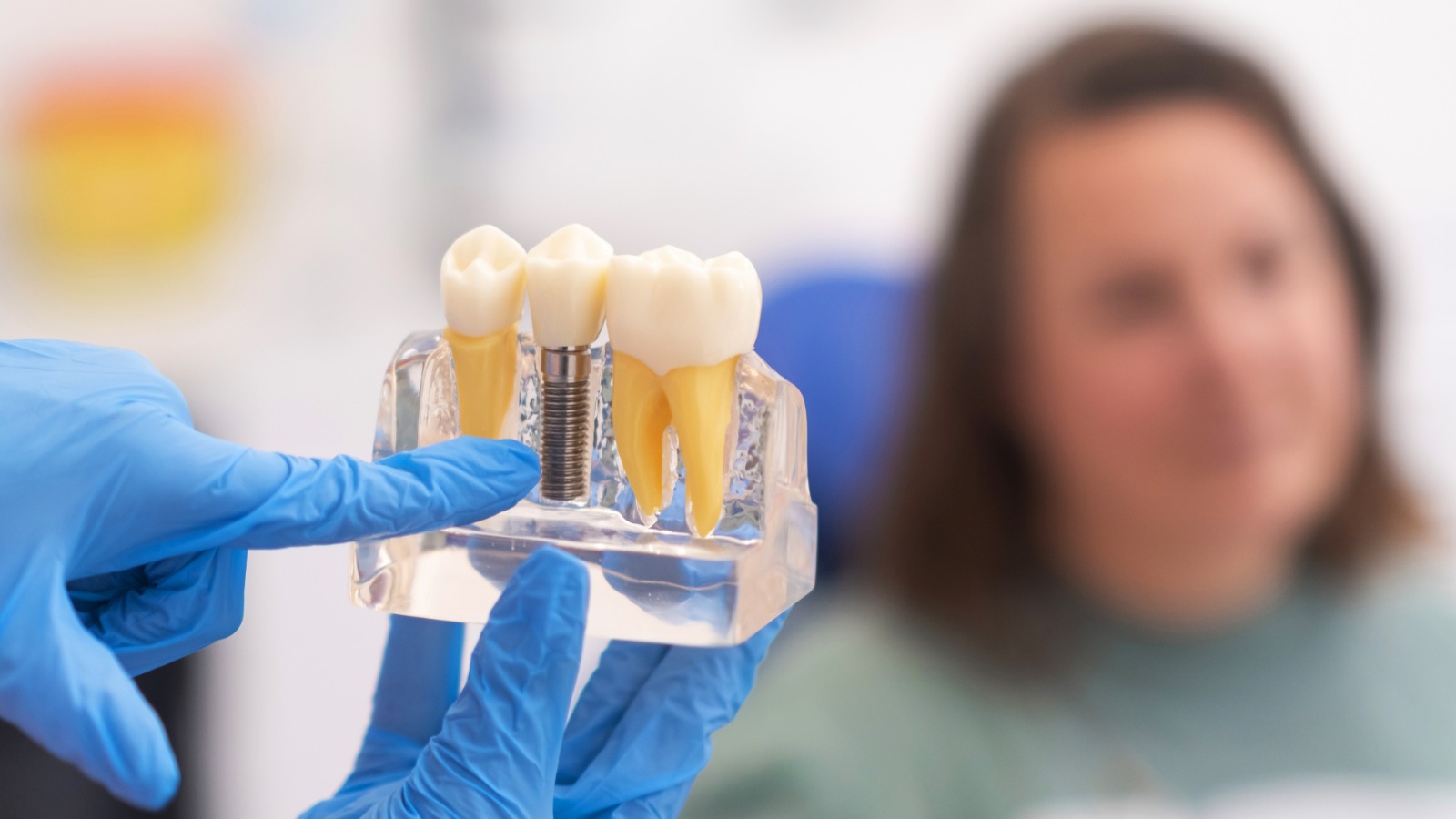
The Convergence of Science and Artistry in Modern Dentistry
In the heart of modern dentistry lies a fascinating blend of scientific precision and artistic flair that transforms damaged smiles into works of functional art. Dental restoration has evolved far beyond the simple filling of cavities, emerging as a sophisticated discipline where a dentist Borehamwood must master both the technical aspects of oral health and the aesthetic principles that create naturally beautiful results. This intricate craft requires an understanding of colour theory, facial symmetry, and material science, all whilst maintaining the fundamental goal of restoring optimal dental function.
The contemporary dental professional approaches each restoration as a unique canvas, considering factors such as the patient’s facial structure, skin tone, and natural tooth characteristics. Whether working with composite resins, porcelain, or advanced ceramic materials, the practitioner must possess an artist’s eye for detail and proportion. Every restoration tells a story of meticulous planning, where digital imaging and traditional craftsmanship converge to create results that are virtually indistinguishable from natural teeth.
The Technical Mastery Behind Beautiful Restorations
Modern dental restoration encompasses a remarkable array of procedures, each requiring specific technical skills and artistic sensibilities. Various types of dental restoration procedures demonstrate the breadth of techniques available to today’s practitioners, from simple composite fillings to complex full-mouth reconstructions that can transform a patient’s entire appearance.
The process begins with careful assessment and planning from a, where practitioners evaluate not only the structural damage but also the aesthetic requirements of each case. Advanced imaging technology allows for precise measurements and digital mock-ups, enabling both practitioner and patient to visualise the final result before treatment begins. This technological integration has revolutionised the field, allowing for predictable outcomes that consistently meet both functional and aesthetic expectations.
Material Selection and Artistic Vision
The choice of restoration material represents a critical decision point where science meets artistry. Porcelain veneers offer exceptional translucency and colour stability, whilst composite resins provide versatility and the ability to make chairside adjustments. Each material possesses unique characteristics that influence both the treatment approach and the final aesthetic outcome, requiring practitioners to understand not only their technical properties but also their visual behaviour under different lighting conditions.
The Psychology of Smile Design
Beyond the technical aspects, successful dental restoration requires an appreciation for the psychological impact of smile design. Practitioners must consider how subtle variations in tooth shape, size, and positioning can dramatically alter a patient’s appearance and self-confidence. The golden ratio, facial midlines, and the principles of symmetry all play crucial roles in creating restorations that enhance rather than merely replace natural dental structures.
The artistry extends to understanding how different tooth characteristics convey age, personality, and vitality. Younger teeth typically display more translucency at the incisal edges, whilst mature teeth may show more characterisation and colour variation. Achieving natural-looking dental restorations requires this nuanced understanding of how teeth naturally age and wear, allowing practitioners to create restorations that appear authentic within the context of each patient’s unique smile.
Innovation and Tradition in Restorative Practices
The field continues to evolve with technological advances such as CAD/CAM systems, 3D printing, and digital colour matching. These innovations have streamlined many processes whilst maintaining the artistic elements that distinguish exceptional work from merely adequate results. However, the fundamental principles of colour, form, and function remain unchanged, requiring practitioners to balance cutting-edge technology with time-tested aesthetic principles.
Contemporary practices, including those offered by a skilled dental team demonstrate how modern techniques can achieve remarkable results whilst preserving the artisanal aspects of the craft. The integration of digital workflows with traditional hand-finishing techniques allows for both efficiency and artistic refinement, ensuring that each restoration meets the highest standards of both form and function.
Training in dental restoration increasingly emphasises this artistic dimension, with practitioners studying photography, colour theory, and even sculpture to enhance their aesthetic sensibilities. The balance between artistry and dental restoration science requires ongoing education and refinement of skills that extend well beyond traditional dental training.
The Future of Restorative Artistry
As dental restoration continues to evolve, the marriage of art and science becomes ever more sophisticated. The future promises even greater precision and aesthetic possibilities, yet the fundamental requirement for artistic vision and skilled craftsmanship remains constant. This enduring combination ensures that dental restoration will continue to transform lives through the careful application of both scientific knowledge and artistic excellence, creating smiles that are truly works of functional art.