

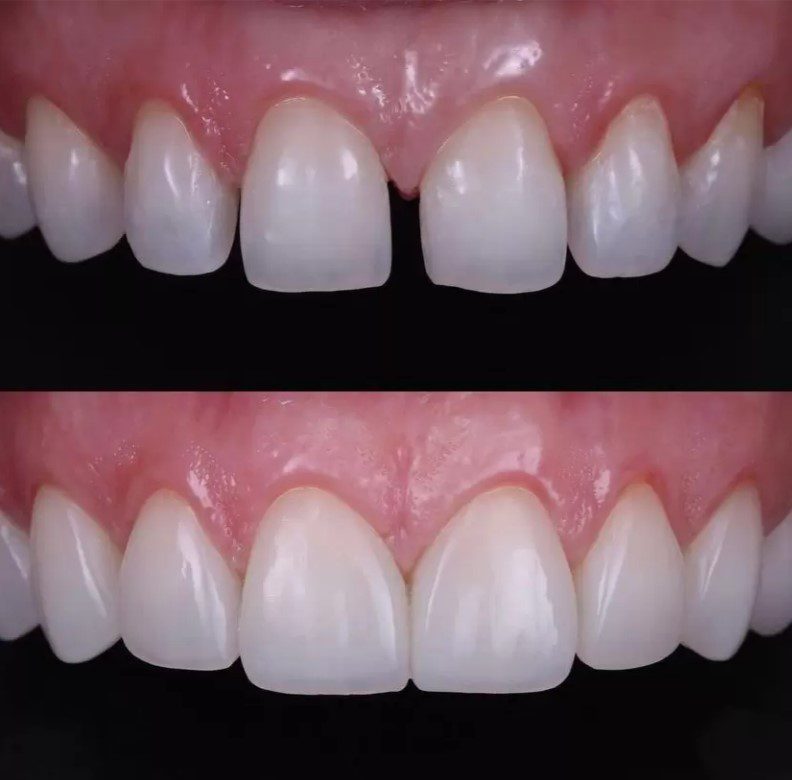
The Evolution of Conservative Cosmetic Dentistry
The landscape of cosmetic dentistry has undergone a remarkable transformation over the past few decades, shifting from invasive procedures that required significant alteration of natural tooth structure to more conservative approaches that prioritise preservation. At the forefront of this revolution stands composite bonding, a treatment that exemplifies the modern philosophy of minimal intervention whilst delivering exceptional aesthetic results. Unlike traditional cosmetic treatments such as porcelain veneers or crowns, which often necessitate the removal of substantial amounts of healthy enamel, composite bonding offers a gentler alternative that respects the integrity of one’s natural teeth.
Understanding why composite bonding requires considerably less tooth preparation begins with examining the fundamental differences between this technique and its more invasive counterparts. Traditional veneers, for instance, typically require the removal of approximately 0.5 to 0.7 millimetres of enamel from the tooth surface to accommodate the restoration and achieve a natural appearance. This irreversible process commits patients to a lifetime of maintaining these restorations, as the prepared teeth will always require coverage. In contrast, composite bonding Bournemouth practitioners and dental professionals worldwide can often apply directly to the existing tooth structure with minimal or even no preparation at all.
The Science Behind Minimal Preparation
Adhesive Technology Advances
The remarkable capability of composite bonding to adhere directly to natural tooth enamel represents one of the most significant advances in dental materials science. Modern bonding agents create a chemical and mechanical bond with the tooth surface that is extraordinarily strong and durable. This adhesive technology eliminates the need for the mechanical retention features that traditional restorations require, such as the undercuts and specific preparation designs necessary for crowns and conventional veneers. The composite resin material itself possesses unique properties that allow it to be layered and sculpted directly onto teeth, building up rather than cutting away.
Preservation of Enamel Structure
Dental enamel represents the hardest substance in the human body, and its preservation is paramount to long-term oral health. When dentists perform this minimally invasive dental solution, they work with the existing tooth structure rather than against it. The process typically involves only light etching of the enamel surface to create microscopic irregularities that enhance bonding strength. This stands in contrast to the reduction required for porcelain veneers, where some healthy tooth structure must be sacrificed to create space for the restoration.
Comparing Treatment Approaches
Traditional Veneers and Crowns
Traditional porcelain veneers and full-coverage crowns have long been considered the gold standard for dramatic smile transformations, yet they come at a considerable cost to natural tooth structure. The preparation process for these restorations requires precise reduction of the tooth on multiple surfaces, often under local anaesthetic due to the extent of tooth removal. Dentists must create specific angles and margins to ensure proper fit and retention of the laboratory-fabricated restoration. This invasive approach, whilst producing excellent results, permanently alters the tooth and creates a dependency on maintaining the restoration indefinitely.
The Composite Bonding Difference
Composite bonding operates on an entirely different principle, one that aligns with contemporary minimally invasive cosmetic dentistry techniques that prioritise tooth conservation. The procedure involves applying tooth-coloured composite resin directly to the existing tooth surface, where it is carefully shaped and polished to achieve the desired aesthetic outcome. In many cases, teeth require absolutely no preparation beyond cleaning and etching. When minor reshaping is necessary, it typically involves only superficial smoothing rather than significant reduction, preserving the vast majority of natural tooth structure for future dental health.
Clinical Advantages of Conservative Preparation
The benefits of minimal tooth preparation extend far beyond simple preservation of enamel. Patients who choose composite bonding typically experience reduced sensitivity compared to those undergoing traditional veneer preparation, as the dental pulp remains well-protected by intact tooth structure. The reversibility of the treatment offers considerable peace of mind; should circumstances change or aesthetic preferences evolve, composite bonding can be modified or removed without the permanent consequences associated with prepared teeth. Additionally, the conservative nature of the procedure often eliminates the need for temporary restorations and multiple appointments, as minimally invasive smile transformations with composite bonding can frequently be completed in a single visit.
Embracing Conservative Cosmetic Solutions
The dental profession’s shift towards conservative treatment philosophies reflects a deeper understanding of long-term oral health outcomes and patient wellbeing. Composite bonding exemplifies this progressive approach, offering patients the opportunity to enhance their smiles whilst preserving the natural tooth structure that serves them best throughout their lives. As materials and techniques continue to advance, the gap between aesthetic excellence and tooth preservation continues to narrow, making minimally invasive options increasingly attractive for those seeking cosmetic improvements without compromise.